
Browse conversion patterns from real sites, grouped by funnel stage and growth goal. Use them as inspiration for your next A/B test or personalization campaign.
Browse patternsStart broad or jump into a category. Each pattern includes the brand, context, and a shareable example page.
 Qive
•
User engagement & retention
Qive
•
User engagement & retention
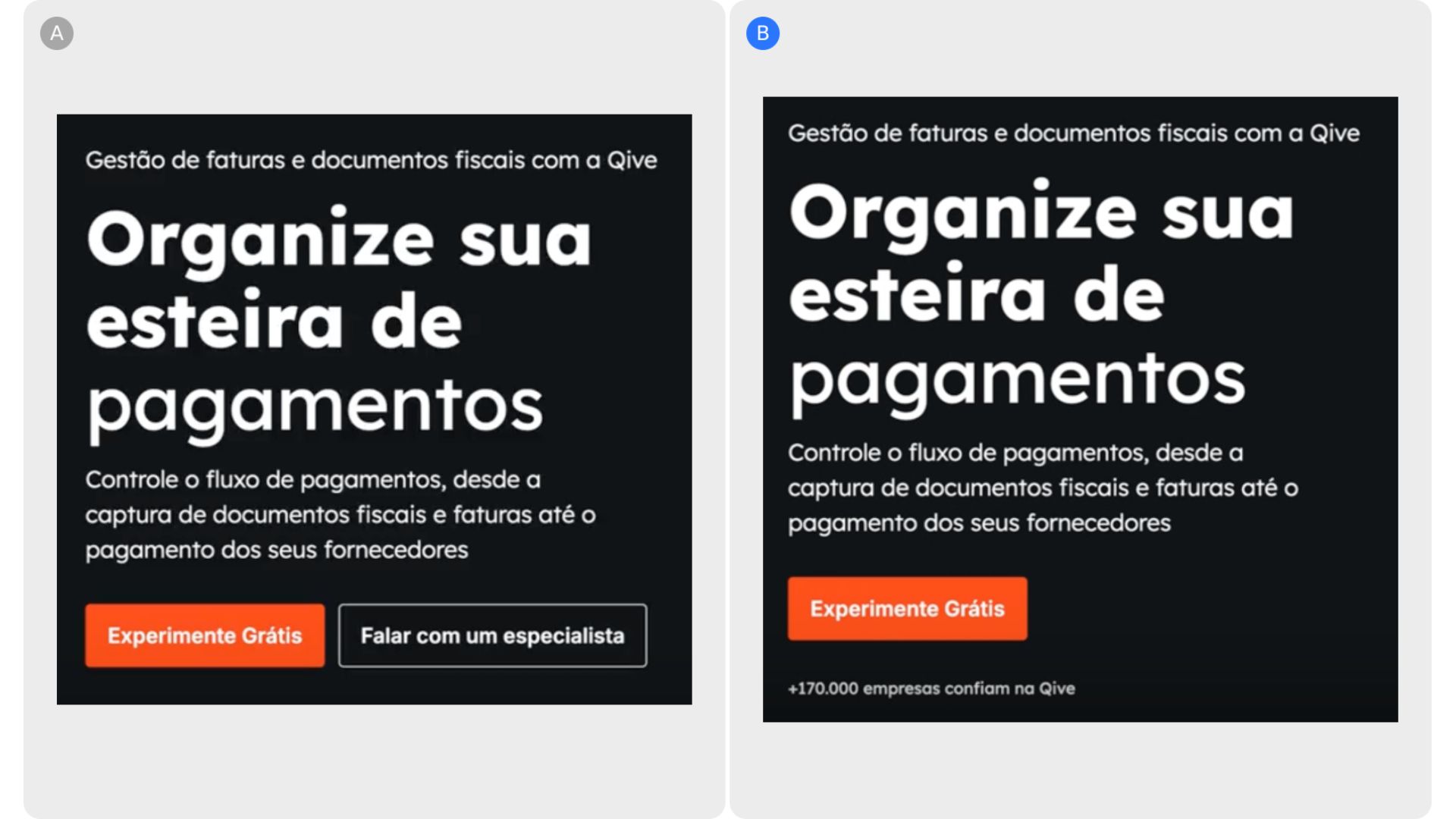
<p>Qive’s landing page initially presented users with multiple CTAs at the point of entry, which likely split attention and introduced hesitation rather than guiding action. By simplifying the experience to...

 Brown Thomas
•
Monetization awareness
Brown Thomas
•
Monetization awareness
<p>Brown Thomas’s discounted product listing page shows a variety of discounted products but the discounted prices lacked prominence. By including a red tag next to the price that is highly visible, it drive...
 Universidad Europea
•
User engagement & retention
Universidad Europea
•
User engagement & retention
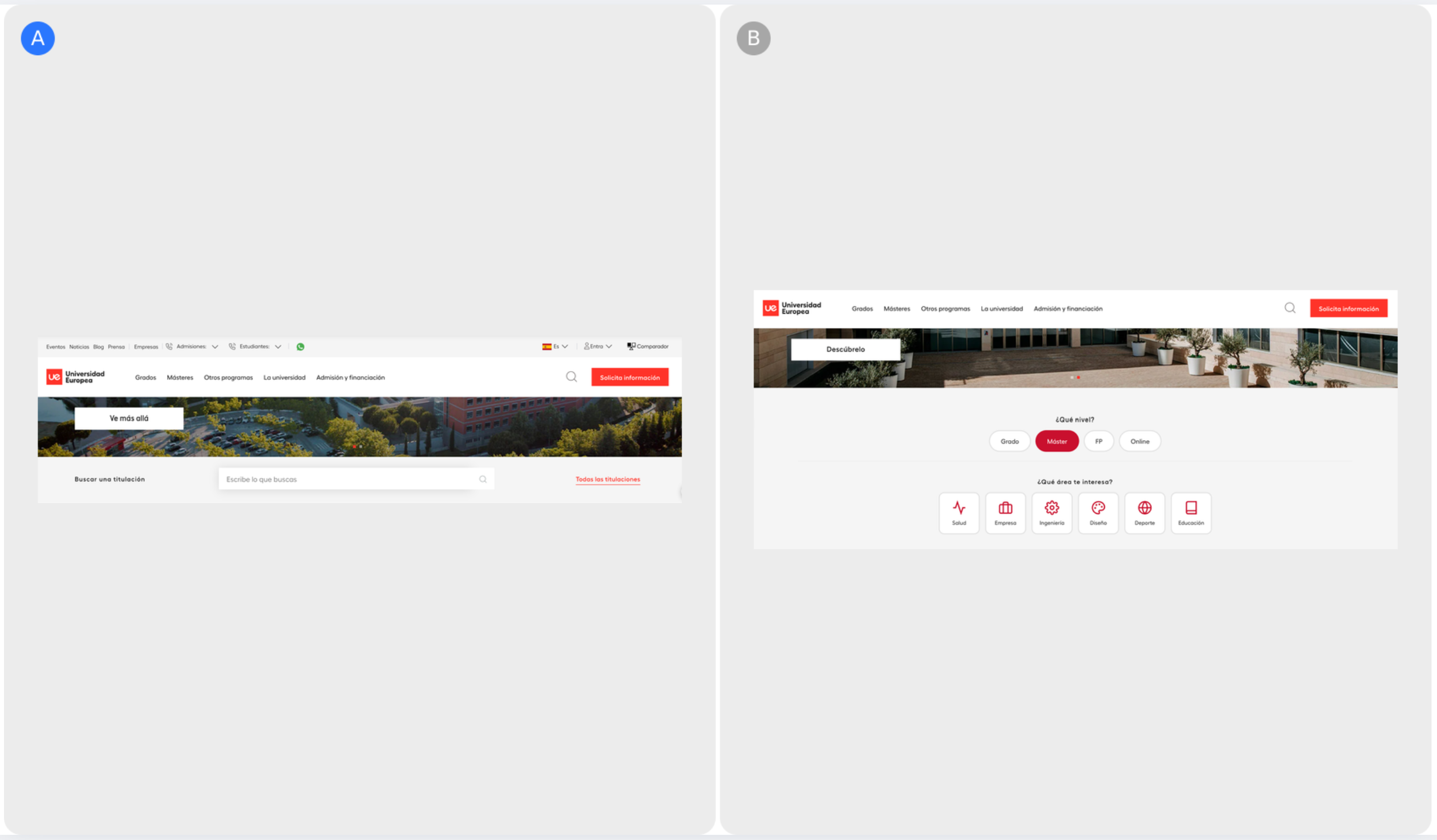
<p>The page is currently extremely dense, with a hero search presented as a blank input that requires users to already know what to type, understand the correct terminology, and navigate a large, academic ta...
 Union Goods
•
User engagement & retention
Union Goods
•
User engagement & retention
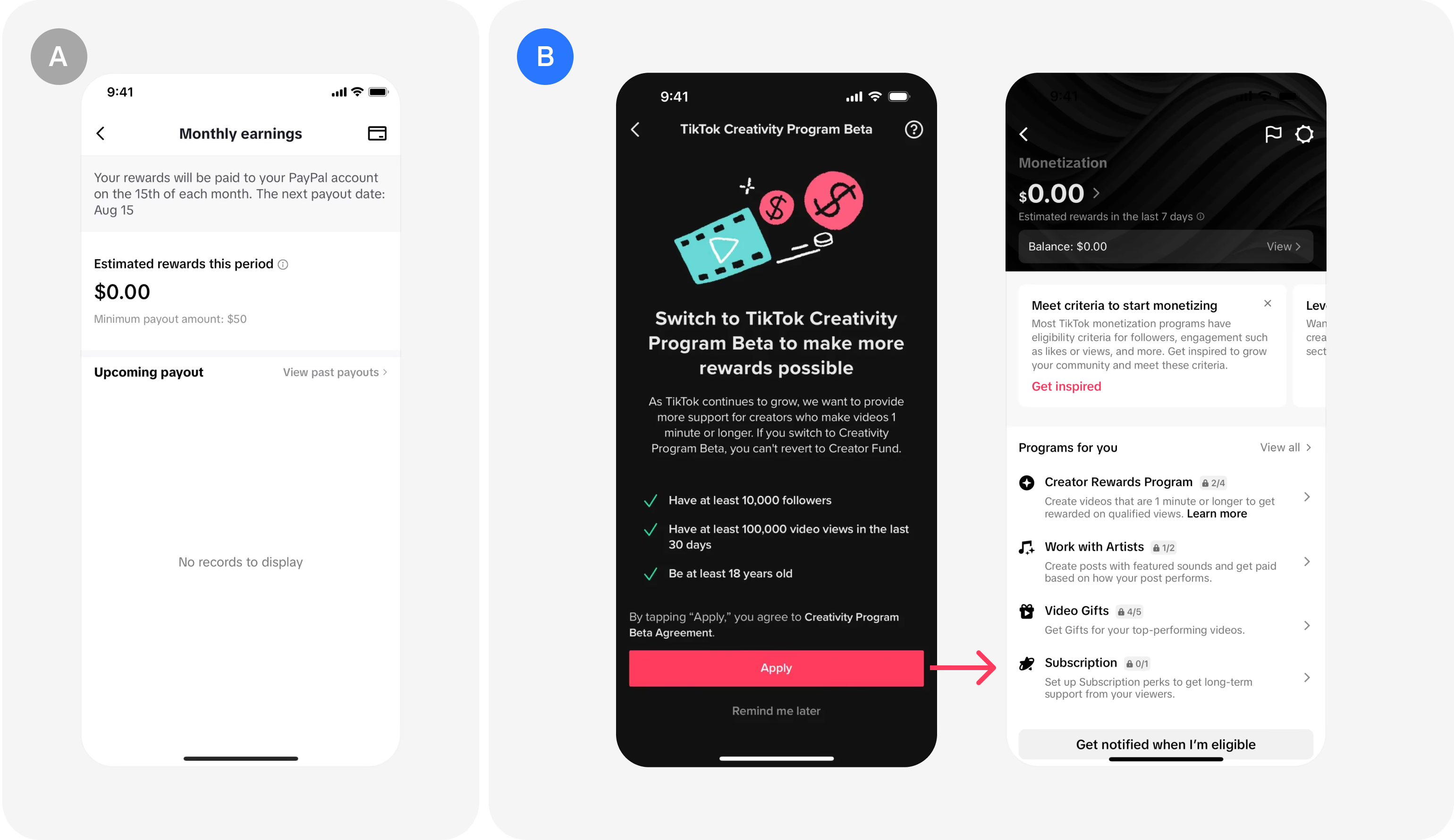
<p>Union Goods’ hero section initially layered multiple elements—hero imagery, an Instagram hook, and a slogan—into a single visual space, increasing information density and making it harder for users to qui...
 TheraICE
•
Checkout & sales
TheraICE
•
Checkout & sales
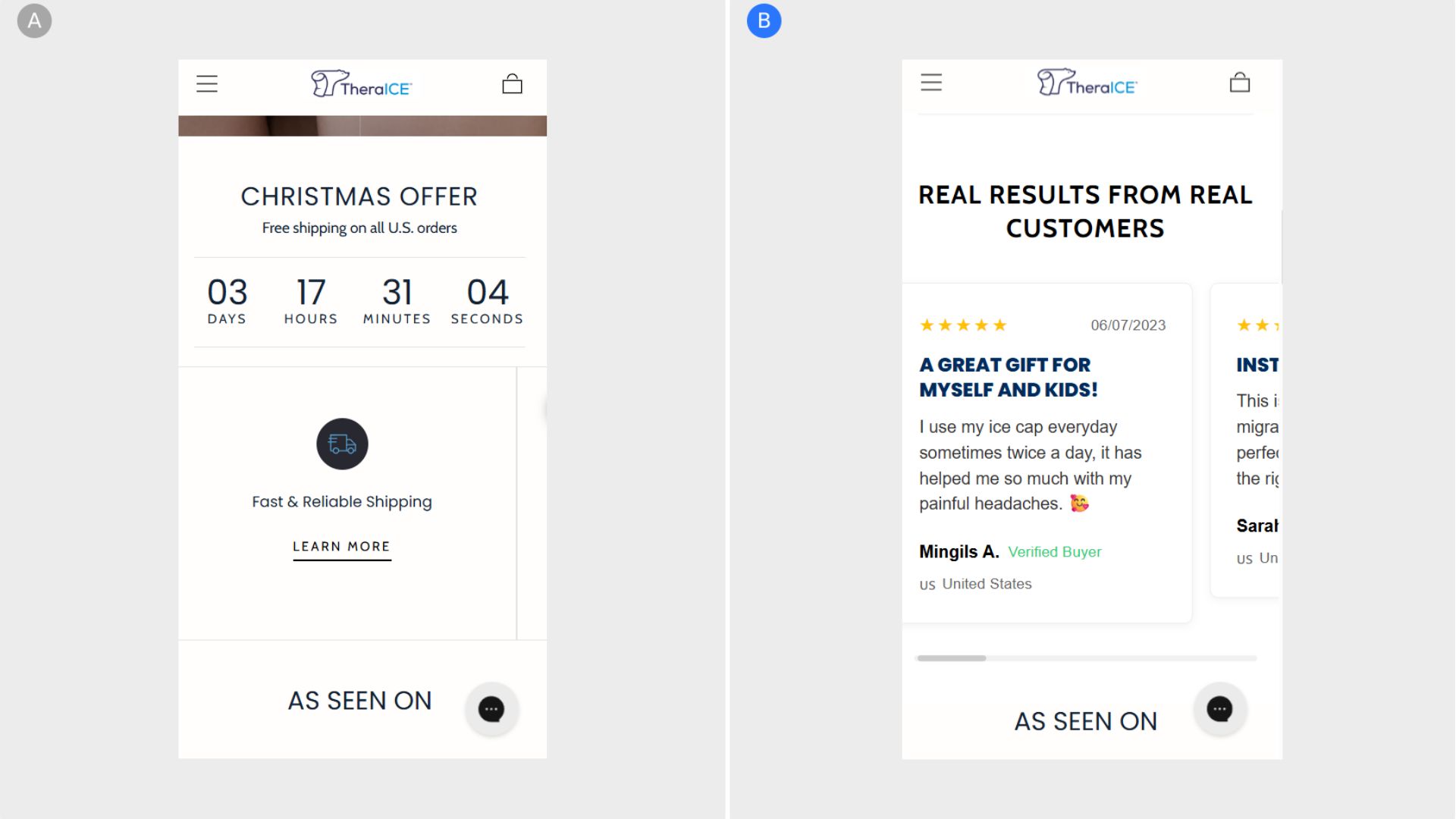
<p>TheraICE’s homepage previously required users to scroll significantly to encounter reviews, and even then, feedback was limited to star ratings on individual product cards. By introducing a dedicated revi...
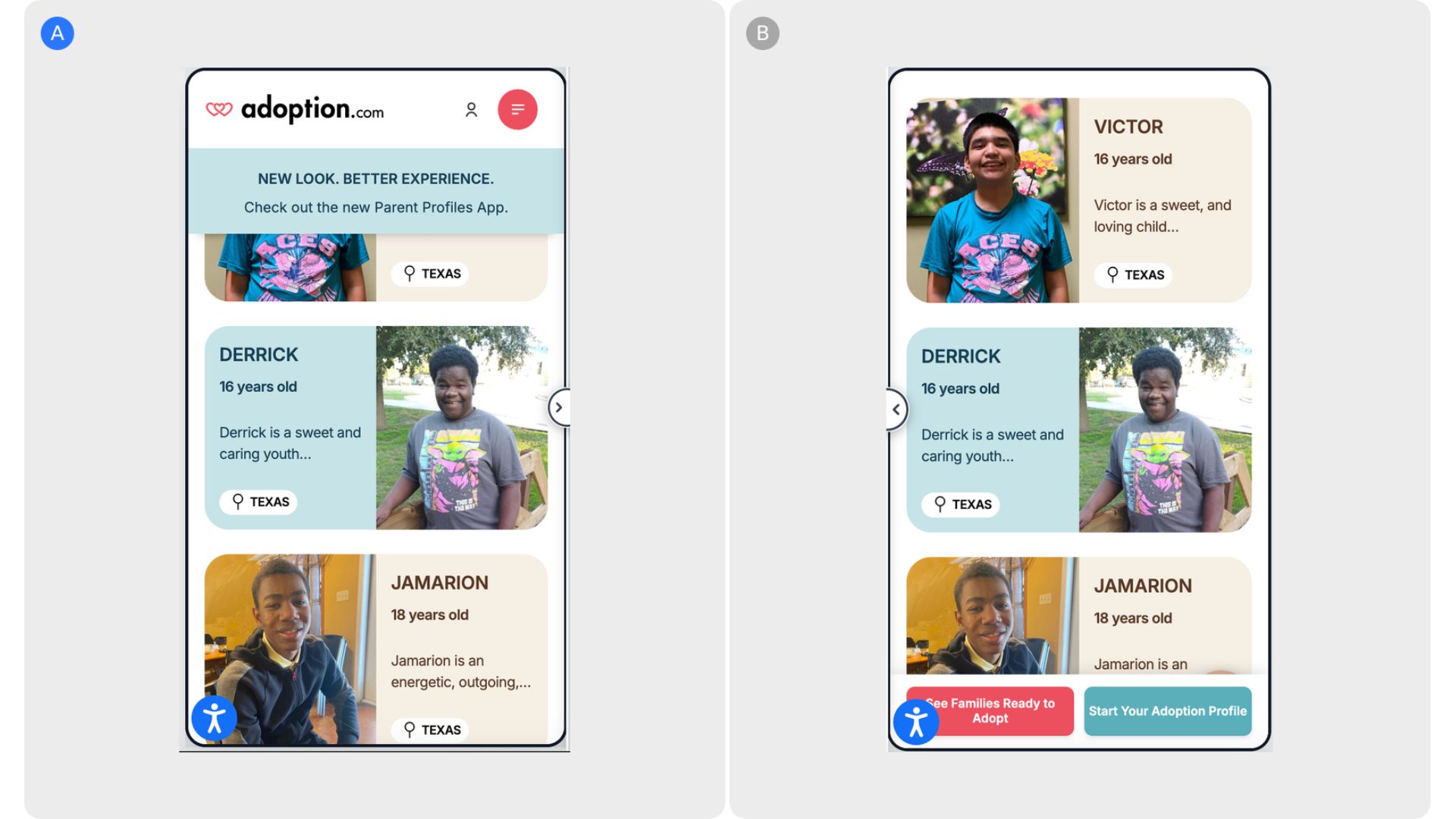
 Adoption.com
•
User engagement & retention
Adoption.com
•
User engagement & retention
<p>Adoption.com’s mobile experience previously allowed key CTAs to disappear as users scrolled, increasing the risk of drop-off at high-intent moments. The introduction of a sticky bottom bar keeps primary a...

 Réglo
•
User engagement & retention
Réglo
•
User engagement & retention
<p>The product listing experience on Réglo initially required users to scroll extensively to locate relevant products for their dogs, increasing effort and slowing decision-making. By introducing a sticky fi...
Mida.so is a super lightweight A/B testing tool to help you experiment, analyze and implement conversion strategies in minutes.


.svg)

